
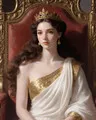
- CFG 1
First generation may take a bit longer.
Details
- Type
- Style
- Base model
- Anima
- Price per use
- Free
Starlit Reverie | Millennium Shoujo Manga Style v0.2 — Krea2 (New!) A new version trained for Krea2, with its own interpretation of the same nostalgic manga aesthetic. Bring the magic of classic shoujo manga illustrations back to life! 🌸✨ Starlit Reverie is a style LoRA inspired by the romantic and elaborate aesthetics of Japanese shoujo manga illustrations from the late 1990s to the early 2000s. The model focuses on sparkling oversized eyes, delicate eyelashes, flowing hair, intricate linework, soft traditional coloring, and the dreamy atmosphere of classic manga cover illustrations. Designed for both female and male characters, it aims to bring a nostalgic touch to modern anime generation. ✨ Features • Classic late-90s and early-2000s shoujo manga aesthetics. • Large, expressive eyes with intricate highlights. • Delicate linework and detailed flowing hair. • Romantic colors and traditional illustration textures. • Suitable for portraits, fantasy characters, magical girls, and romantic illustrations. • Supports both female and male characters. ⚙️ Recommended Settings Base Model: Anima Trigger Word: millennium_shoujo_style Suggested LoRA Strength: 0.7–1.0 Lower strengths may help preserve the base model's composition and anatomy, while higher strengths produce a more pronounced shoujo manga aesthetic. These values are starting points rather than guaranteed optimal settings. ⚠️ Known Limitations This is an early release, and there are still several areas that need improvement. 1. Hands and Anatomy Hand anatomy can be inconsistent, especially when characters are holding objects, carrying animals, or performing complicated gestures. Extra fingers, unnatural hand positions, and awkward limb connections may occasionally appear. 2. Complex Poses and Character Interactions Full-body poses, dynamic movements, and multi-character scenes can be challenging. Interactions involving physical contact, such as holding hands or embracing, may produce anatomical